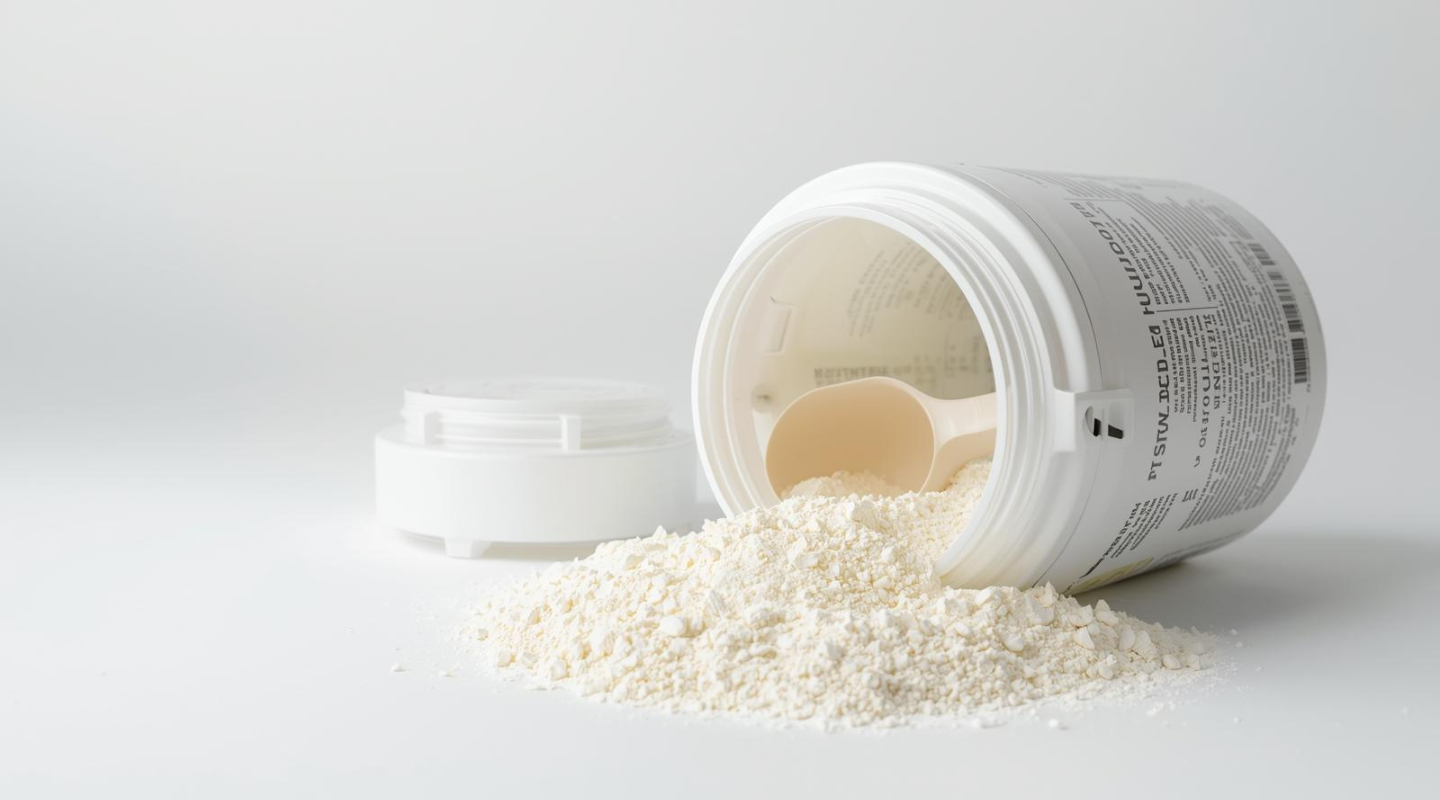
In a supplement industry crowded with hype, trends, and under-dosed promises, creatine monohydrate stands apart. It is one of the most researched, safest, and most effective supplements ever studied—yet it’s still misunderstood, especially outside of bodybuilding circles.
While creatine is widely known for improving strength and power in athletes, emerging research shows it may be just as valuable—if not more so—for aging adults concerned with muscle loss, brain health, and longevity.
This article explores how creatine works, why it’s uniquely suited for high-intensity CrossFit athletes, and why it may be one of the most important supplements for the aging body.
What Is Creatine Monohydrate?
Creatine is a naturally occurring compound synthesized from the amino acids arginine, glycine, and methionine. It is stored primarily in skeletal muscle, with smaller amounts in the brain, heart, and other tissues.
Inside the body, creatine plays a key role in the phosphocreatine system, which rapidly regenerates ATP (adenosine triphosphate)—the primary energy currency used during short, intense bursts of activity.
Although creatine is found in foods like red meat and fish, dietary intake alone rarely saturates muscle stores. Supplementation increases intramuscular creatine levels by 20–40%, producing measurable performance and health benefits.
Benefits of Creatine for the CrossFit Athlete
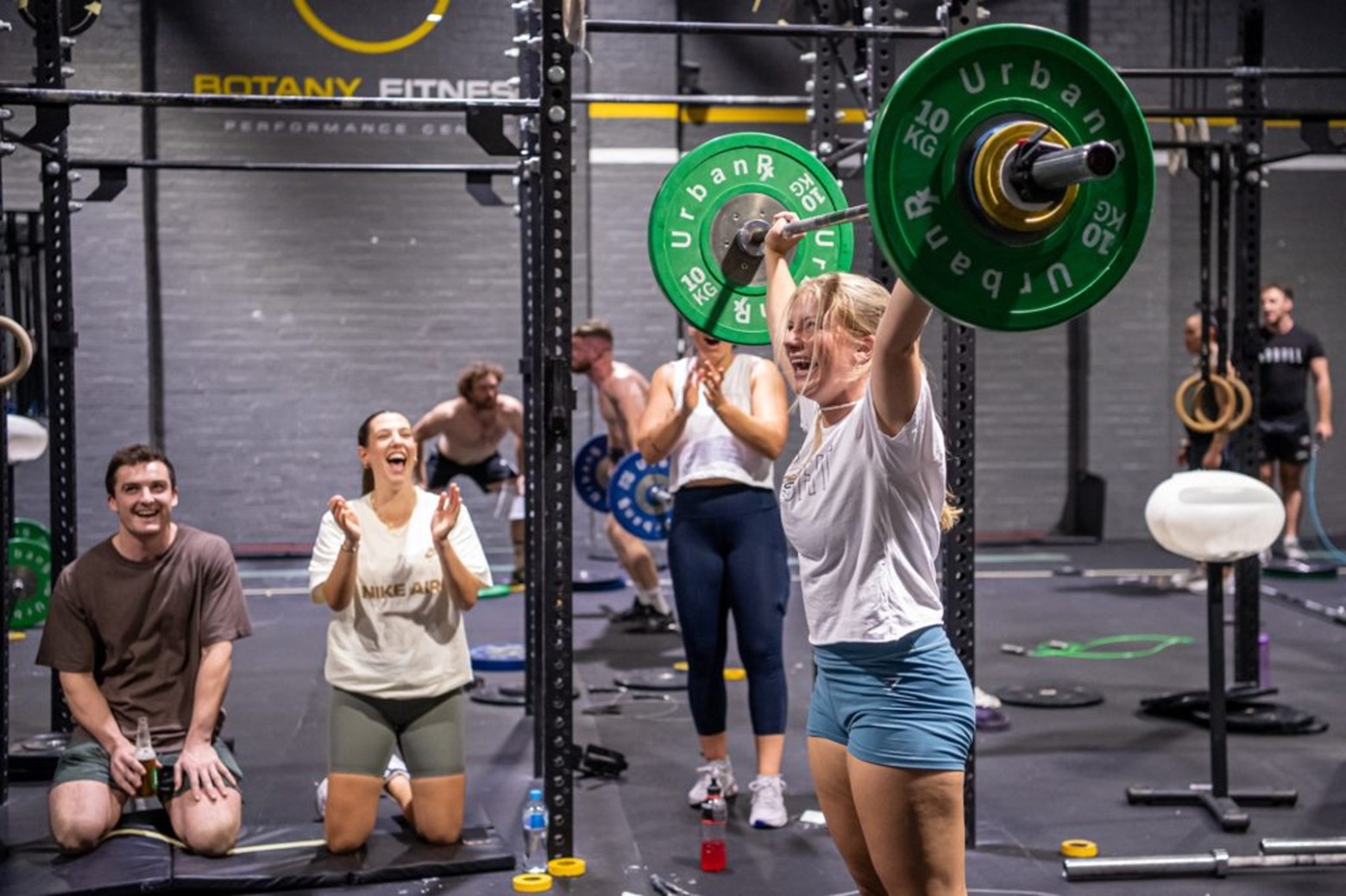
CrossFit demands a rare blend of maximal strength, repeated power output, sprint capacity, and rapid recovery. Creatine directly supports all of these qualities.
1. Increased Strength and Power Output
Creatine consistently improves:
- 1RM strength
- Repeated sprint ability
- Olympic lifting performance
- Explosive movements (cleans, snatches, box jumps)
For CrossFit athletes performing heavy barbell work followed by metabolic conditioning, enhanced ATP regeneration means more high-quality reps at higher intensities.
2. Improved Work Capacity in High-Intensity WODs
Creatine is particularly effective during:
- Short-to-moderate duration WODs
- Interval-based conditioning
- High-power movements repeated under fatigue
Athletes often report the ability to maintain output deeper into workouts, especially during rounds that normally see performance drop-offs.
3. Enhanced Recovery and Training Volume
Creatine may reduce:
- Muscle cell damage
- Inflammation markers
- Perceived soreness
This allows athletes to tolerate higher weekly training volume, recover faster between sessions, and maintain consistency—one of the most overlooked performance factors in CrossFit.
4. Lean Muscle Mass Without “Bulking”
Contrary to outdated myths, creatine does not cause unwanted bulk. In CrossFit athletes, weight gain (when it occurs) is typically due to:
- Increased intracellular water (within muscle cells)
- Greater lean mass over time
This supports strength-to-weight ratio, not just scale weight.
Benefits of Creatine for the Aging Body
Creatine’s benefits extend far beyond performance. In aging adults, it may directly combat several hallmarks of aging.
1. Combating Sarcopenia (Age-Related Muscle Loss)
After age 40, adults lose approximately 1% of muscle mass per year if unaddressed. Creatine, especially when paired with resistance training, has been shown to:
- Increase lean muscle mass
- Improve strength
- Enhance functional performance (sit-to-stand, grip strength)
This is critical for maintaining independence, reducing fall risk, and preserving metabolic health.
2. Improved Bone Health
Creatine indirectly supports bone density by:
- Increasing muscle force production
- Improving balance and strength
- Enhancing training adaptations from resistance exercise
Stronger muscles exert greater mechanical stress on bones—a key stimulus for bone remodeling.
3. Cognitive and Neurological Support
The brain uses large amounts of ATP. Emerging research suggests creatine may:
- Improve memory and processing speed
- Support cognitive function during sleep deprivation
- Offer neuroprotective benefits in aging populations
This makes creatine uniquely valuable as a body-and-brain supplement.
4. Energy, Vitality, and Quality of Life
Older adults supplementing with creatine often report:
- Improved daily energy
- Better exercise tolerance
- Increased confidence in movement
These factors directly influence long-term adherence to physical activity, one of the strongest predictors of healthy aging.
Is Creatine Safe?
Creatine monohydrate is one of the most extensively studied supplements in history. Research consistently shows:
- No negative impact on kidney function in healthy individuals
- Safe for long-term use
- Well tolerated across age groups
Hydration and normal kidney function should be considered, but for most healthy adults, creatine is exceptionally safe. Consultation with your doctor is recommended.
How to Use Creatine Monohydrate
Recommended Dose
- 3–5 grams per day, however new research is showing that older adults can benefit from 10 grams per day. Upping to 20 grams a day may increase bloating and water retention.6
- No loading phase required
Timing
- Any time of day is effective
- Post-workout with protein or carbohydrates may enhance uptake
Form Matters
- Choose creatine monohydrate
- Look for third-party tested products
- Avoid proprietary blends and unnecessary additives
Final Takeaway
Creatine monohydrate is rare in that it:
- Improves elite athletic performance
- Supports healthy aging
- Is affordable, safe, and science-backed
Whether you’re a CrossFit athlete chasing performance gains or an aging adult focused on strength, cognition, and longevity, creatine deserves serious consideration as a foundational supplement, not a niche one.
References
- Kreider, R. B., et al. (2017). International Society of Sports Nutrition position stand: safety and efficacy of creatine supplementation. Journal of the International Society of Sports Nutrition.
- Rawson, E. S., & Volek, J. S. (2003). Effects of creatine supplementation and resistance training on muscle strength and weightlifting performance. Journal of Strength and Conditioning Research.
- Chilibeck, P. D., et al. (2015). Creatine supplementation combined with resistance training in older adults. Journal of Nutrition, Health & Aging.
- Avgerinos, K. I., et al. (2018). Effects of creatine supplementation on cognitive function. Psychopharmacology.
- Devries, M. C., & Phillips, S. M. (2014). Creatine supplementation during resistance training in older adults. Sports Medicine.
- The Optimal Creatine Protocol for Strength, Brain, and Longevity with Darren Candow, PhD Youtube: https://www.youtube.com/watch?v=ICsO-EHI_vM



.png)
.png)


